FACIAL & SKIN COURSES
Black Friday SALE Buy 1 Get 1 FREE TODAY
PayDay Flash SALE
Buy 1 Get 1 FREE TODAY
SUMMER SALE
Buy 1 Get 1 FREE TODAY
Mega Flash SALE
Buy 1 Get 1 FREE TODAY
New Year SALE
Buy 1 Get 1 FREE TODAY
Christmas Mega SALE
Buy 1 Get 1 FREE TODAY
Valentine’s Mega SALE
Buy 1 Get 1 FREE TODAY
Easter Mega SALE
Buy 1 Get 1 FREE TODAY
Over 50% Off SALE
Sale Ends Soon
★ 1,345 reviews · Teaching since 2008 · Lifetime course access · Pay in 3 with Klarna
Browse by course type, or skip straight to advice and FAQs.
A facial is the treatment clients book month after month, and advanced skin work is what they book in courses of six. Our facial and skin courses take you through the skin knowledge behind each treatment, then you practise on models and submit your work for a tutor to mark. Study online at your own pace, with lifetime access to your materials and unlimited resubmissions if an assessment needs another go.
Not Sure Where to Start?
Pick the option that sounds most like you.
I Want to Start With the Classic Facial
The Facial Course is £75 in the current sale and teaches the routine clients book monthly. It is the foundation the advanced skin treatments build on, so it is the usual place to start.
I Want the Full Skin Menu
The Ultimate Facial Course brings six courses into one enrolment: the standard and luxury facials, then microdermabrasion, hydradermabrasion, chemical peels and LED light therapy. Work through them one at a time and certify in each.
I Already Work in Beauty
Adding a machine or acid treatment to an existing menu gives you something clients book in courses rather than one at a time. You will want the classic facial routine behind you, or equivalent salon experience.
Facial Course Package
Train in several skin treatments in one enrolment. Each course inside a package is assessed and certified separately, so you finish with a certificate for every treatment rather than one.
- Lifetime Course Access
- Tutor Feedback & Support
- Tutor-Assessed Diplomas
- Private Student Group
Six facial and skin treatments in one enrolment: the Standard and Luxury Facial, microdermabrasion, hydradermabrasion, chemical peels and LED.
6 courses in one package.
- Instant access: start as soon as you enrol
- A separate certificate for each treatment
- Unlimited resubmissions if an assessment needs another try
- Business training included to help you launch
- Optional professional kits, or use equipment you already own
- 14 days to cancel before you access your course materials (see terms)
Excellent on line course. The manuals printed perfectly and were really helpful and still are. The course had plenty of info with regards to running a business. The luxury facial course was easy to follow, well thought out and thorough. The video showing a full length facial was really helpful. Helped with timings and like being in a classroom. I find visuals easier to learn from.
I have done lashes, nails, facial, dermaplaning and chemical peel courses and they’ve all been great. Great service with any help needed. Great support group too.
Brilliant course just finished my skin and facial course, very helpful and always quick to respond.
Meet Your Tutor
Victoria Arpels BA (Hons), Cert Ed
Victoria trained in beauty therapy, worked in a busy spa and lectured in further education colleges before founding Next Step Beauty in 2008. Since then, Next Step Beauty has taught more than 100,000 students, with learners in 65 countries and territories across six continents. Victoria demonstrates the techniques in our course videos and, with our tutor team, supports students through personal feedback on their case studies and our private student groups.
Facial & Skin Courses
Take one treatment on its own, or build up over time. Each course covers the skin knowledge behind the treatment and then the technique itself, with your practical work assessed by a tutor who writes back to you. The Facial and Luxury Facial courses are accredited by ABT, IPHM and IGCT. The advanced skin treatments are certificated by Next Step Beauty rather than accredited.
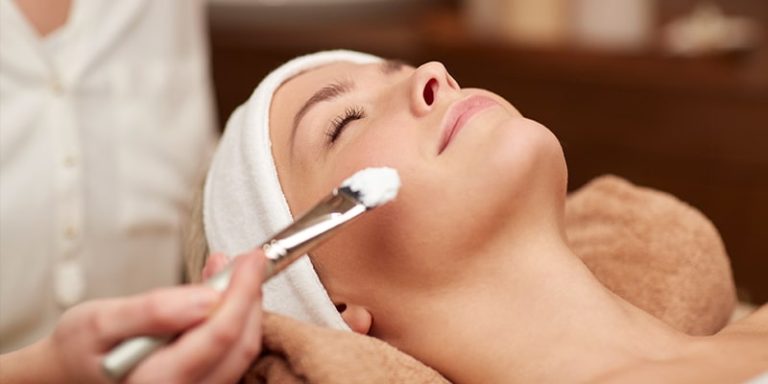
Learn a full professional facial — skin analysis, cleansing, exfoliation, massage, masks and aftercare — the foundation the machine treatments build on.
Learn microdermabrasion: controlled mechanical exfoliation, machine handling, pressure and passes, contra-indications and aftercare.
Learn hydradermabrasion: cleansing, exfoliating and hydrating the skin in one treatment, with client consultation, contra-indications and aftercare.
Learn chemical skin peels: peel types and strengths, patch testing, application, timing and the aftercare that protects the result.
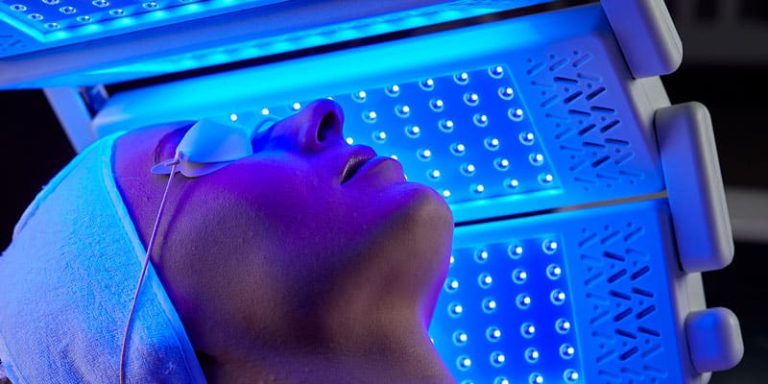
Learn LED light therapy: the wavelengths used, which concerns each suits, treatment timings and how it pairs with your other facials.
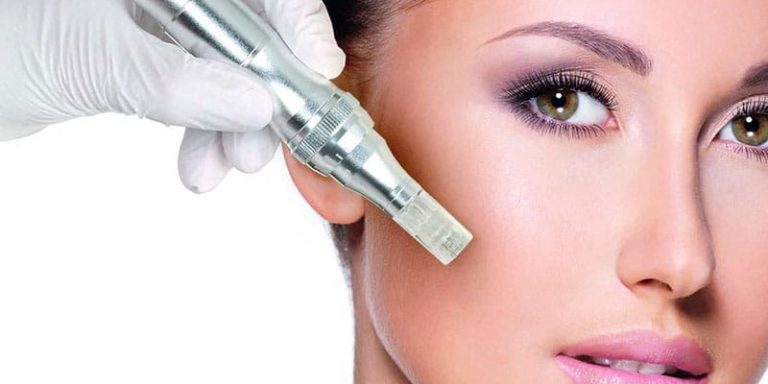
Learn microneedling with both the derma roller and the pen, including needle depths, skin preparation, contra-indications and aftercare.
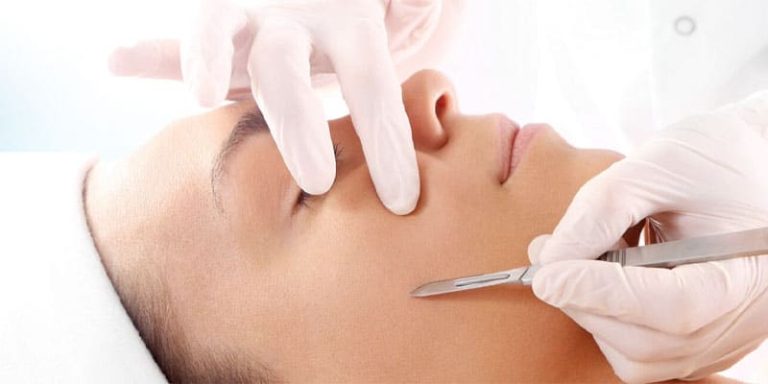
Learn dermaplaning: using a sterile blade to remove dead skin and fine vellus hair, leaving a smooth surface for products and makeup.
Not sure which course is right for you? Leave your number and our friendly team will call you back to help you choose.
What’s Included with Every Facial Course
Lifetime Access
Study at your own pace with no deadlines and keep your course materials for life.
Tutor Feedback
Submit case studies and get personal feedback from our tutors.
Tutor-Assessed Diploma
Receive a diploma certificate once your written work and photographic case studies have been marked by a tutor.
Unlimited Resubmissions
If an assessment needs another go, resubmit as many times as you need at no extra cost.
Optional Kit
Add a professional facial kit to your course, or use products and tools you already own.
Private Student Groups
Join our private student groups to ask questions, share your work and learn alongside other students.
After Your Course: From Diploma to Your First Clients
Finishing your course is the start of the next step. Here’s how students go from learning to working with clients.
1. Practise on Your Models
You will practise on models and record your work as you go. This is the bulk of a facial course and the part that turns knowledge into a treatment someone will pay for.
2. Get Your Diploma
Pass your assessed case studies and receive your diploma certificate. If an assessment needs another try, you can resubmit as many times as you need.
3. Plan Your Business
Business training is included with every course to help you set your prices, present your work and find your first clients.
4. Keep Growing
Add a second or third treatment as your client list grows. A client who books you for a facial will often add a peel or dermaplaning next.
Why Choose a Career in Skin and Facials?
Skin is the part of a treatment menu clients commit to. A facial is booked monthly rather than once, and the advanced treatments are usually sold in courses of six, so the diary repeats rather than needing to be refilled every week.
- Booked on a cycle: a facial is a monthly appointment and course treatments are sold in sixes, so the work repeats.
- Start with one: the classic facial is enough to open a skin menu, and the machine treatments can follow when you are ready.
- Works from a treatment room: most of this needs a couch, good light and your products rather than a salon fit-out.
- Room to specialise: peels, microneedling and dermaplaning each take the menu somewhere different as your confidence grows.
Facial and Skin Treatments Explained
Not sure what separates a peel from dermaplaning, or microdermabrasion from hydradermabrasion? Here is what each treatment does and who it suits.
Classic Facial
Cleanse, exfoliate, extract, massage and mask, adapted to the skin in front of you. It is the treatment clients rebook monthly and the base every advanced treatment sits on.
Luxury Facial
The same structure stretched out, with hot towels, hot oil and a longer massage. It takes more time and sells at a higher price, which is why it suits a salon or mobile menu well.
Microdermabrasion
Resurfaces mechanically, passing a crystal or diamond-tipped head over the skin to lift dead cells. Clients usually book it as a course rather than a one-off.
Hydradermabrasion
Cleanses, exfoliates and hydrates in one pass using water and serums instead of crystals. Gentler than microdermabrasion and better suited to sensitive skin.
Chemical Peel
Exfoliates with acid rather than abrasion. Most of the skill is in the consultation: choosing the right acid and strength for the skin and knowing when not to treat.
LED Light Therapy
Different wavelengths of light for different concerns, used on its own or added to the end of another treatment. Comfortable, which makes it easy to sell as an add-on.
Microneedling
Fine needles at a controlled depth to prompt the skin to repair itself. Depth and aftercare are the whole technique, and the consultation matters as much as the pass.
Dermaplaning
A sterile blade at an angle lifts dead cells and vellus hair, leaving a smooth surface. Popular before an event and often paired with a facial.
Microdermabrasion vs Dermaplaning vs Chemical Peel
All three resurface the skin. They differ in how, and in who they suit, which is the question clients actually ask.
| Microdermabrasion | Dermaplaning | Chemical Peel | |
|---|---|---|---|
| How it works | Abrasive head lifts dead cells | Sterile blade shaves dead cells and vellus hair | Acid loosens dead cells chemically |
| Removes hair | No | Yes | No |
| Best suited to | Congestion and dull skin | Smoothing before an event, makeup application | Pigmentation, texture and breakouts |
| Main skill | Pressure and pass control | Blade angle and tension | Consultation: acid choice and strength |
| Typically sold as | Course of six | Single or monthly | Course of six |
None of the three is a replacement for a good consultation. Patch testing, contraindications and aftercare are covered in each course.
Facial Courses UK: Train in Facials and Advanced Skin Treatments Online
Our online facial courses cover the treatments a skin menu is built from, starting with the classic facial and the luxury facial routine, then moving into the machine and acid treatments clients book in courses of six.
Each course is video-led, with Victoria demonstrating the technique, and you work through it at your own pace. There are no deadlines and no timetable. You keep your course materials for life, so you can go back to a demonstration months later when a client asks for something you have not done in a while.
Your practical work is assessed by a tutor who writes back to you with feedback, and if an assessment needs another go you can resubmit as many times as you need at no extra cost. Business training is included with every course, covering pricing, presenting your work and finding your first clients, and you can join our private student groups to ask questions as you go.
The Facial and Luxury Facial courses are accredited by ABT, IPHM and IGCT and are recognised by insurers including Towergate, Radius, Insync and Balens, though insurers set their own requirements. The advanced skin treatments are certificated by Next Step Beauty rather than accredited.
Mastering Your Beauty Business Launch
Training gives you the skills. This free guide shows you what comes next, so you can take on your first paying clients with confidence and do it properly from day one.
- Getting set up properly – registering as self-employed and choosing the right business structure
- Protecting yourself and your clients – the insurance, hygiene standards and licences you may need
- Deciding where you’ll work – mobile, from home or renting salon space, compared side by side
- Pricing your treatments – working out your start-up costs and setting prices you can sustain
- Winning clients who come back – consultations, trust and turning first bookings into regulars
- Workbook exercises after every chapter – so you finish with a plan, not just notes
Facial Course FAQs
Do I Need Any Experience to Start?
No experience is needed for the Facial Course or the Luxury Facial Course. Both start from the beginning, with the skin knowledge first and the routine after it.
The advanced treatments are different. Microneedling, peels and the machine treatments assume you are comfortable with a facial routine and with reading a client’s skin, so if you are new, start with the Facial Course and add them afterwards.
Can I Really Learn Facials Online?
The theory, the consultation and the product knowledge work well on video, and you can rewatch a demonstration as often as you like, which you cannot do in a classroom.
The hands-on part happens with your own models. You work through the routine on real skin, record what you did, and send it in for your tutor to assess. What you do not get is someone standing over your shoulder, so the written feedback is where the correction happens.
Do I Need Models?
Yes. Every facial and skin course is assessed on work you carry out on real people, so you will need willing models before you can finish.
Friends and family are fine. Most students find the harder part is remembering to photograph and record each treatment properly as they go, rather than finding someone to practise on.
What Products and Equipment Will I Need?
For the classic and luxury facials you need a cleanser, exfoliant, mask, massage medium and moisturiser, plus somewhere comfortable for your model to lie.
The machine treatments need the machine: a microdermabrasion or hydradermabrasion unit, an LED panel, a derma pen, or peel solutions and a blade for dermaplaning. You can use equipment you already have, or add a kit to your course.
Are These Courses Accredited?
The Facial Course and the Luxury Facial Course are accredited by ABT, IPHM and IGCT, and are recognised by insurers including Towergate, Radius, Insync and Balens. Insurers set their own requirements.
The advanced skin treatments — microdermabrasion, hydradermabrasion, chemical peels, LED, microneedling and dermaplaning — are certificated by Next Step Beauty rather than accredited.
How Long Will It Take?
There is no set length. Most students finish a single treatment course within a few weeks and work through a package over a few months, fitting it around whatever else they have on.
What usually sets the pace is arranging models and getting your practical work recorded, rather than the lessons themselves.
Which Skin Course Should I Start With?
If you are new, the Facial Course. It is the routine clients book most often and everything else assumes it.
If you already do facials and want to add something, microdermabrasion and LED are the easiest to introduce. Peels and microneedling ask more of your consultation skills, so they suit someone with a bit of room to practise.